Identifying and Addressing Bullying Behavior in Children
Nurturing Compassion: Guiding Your Child Away From Bullying
Unpacking the Roots of Bullying: Beyond Simple Meanness
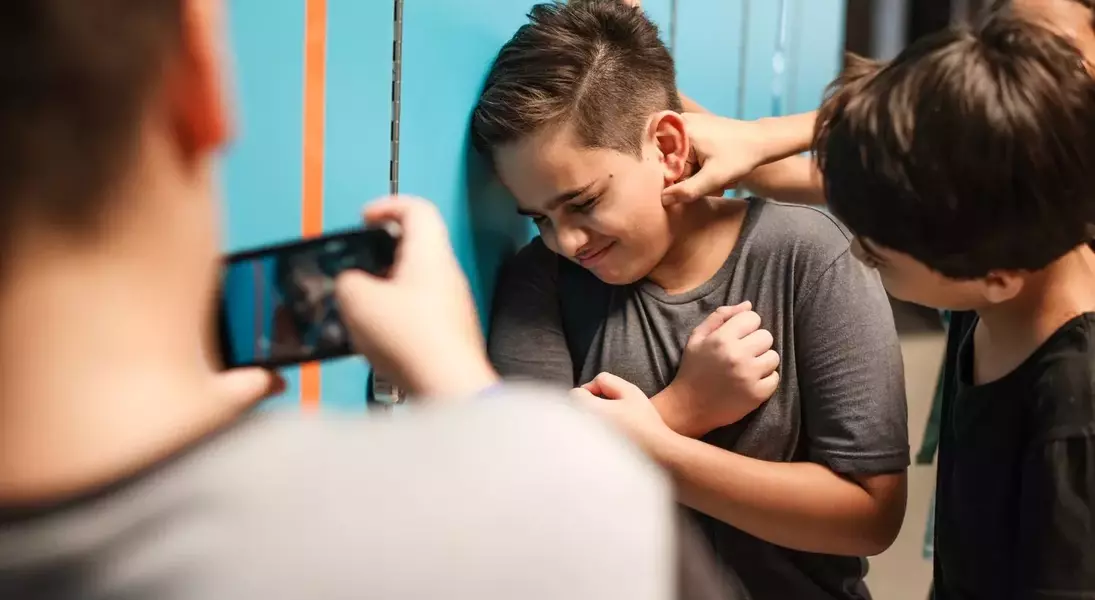
It's natural for children to have their moments of less-than-perfect behavior, occasionally teasing or acting unkindly towards others. However, when these actions escalate into persistent patterns that resemble bullying, it signals a deeper issue. Experts suggest that such conduct often originates from unaddressed emotional needs, rather than an innate desire to cause harm. Common underlying factors include insecurity, diminished self-worth, external pressures from peers, or a feeling of losing control. Additionally, challenges in managing emotions or controlling impulses can manifest as aggressive behavior.
Recognizing the Early Signals: When Your Child Seeks Dominance
Observing how your child interacts with their friends and classmates can reveal significant insights. Children who consistently try to control play scenarios or dictate social interactions might be practicing power dynamics that could evolve into bullying. This might present as an inability to compromise, resorting to threats, or insisting that situations unfold precisely as they desire. These behaviors are often rooted in a need for control, a low tolerance for frustration, or mimicry of aggressive behaviors observed in others. For instance, a child might attempt to control who is invited to gatherings, where others can sit, or leverage friendships with statements like, “If you don’t do what I say, you can’t play with us.”
The Double-Edged Sword of ‘Jokes’: When Humor Turns Hurtful
Frequent “roasting,” or making jokes at someone else’s expense, can be a clear indicator of bullying. Children who consistently tease others with mean-spirited comments, often disguised as humor, may lack empathy. They might quickly dismiss their hurtful remarks with phrases like, “I was just kidding.” This behavior often emerges when children discover that mocking others can garner attention, boost social standing, or provide a sense of power and belonging. It is crucial to educate children on the detrimental impact of such “harmless” teasing and to encourage alternative ways to achieve social recognition, such as excelling in activities, standing up for others, or demonstrating kindness.
The Illusion of Superiority: Entitlement as a Bullying Precursor
If your child frequently expresses a belief in their own superiority or dismisses others as “weird” or “unliked,” it suggests a skewed perception of status and self-worth. This sense of entitlement can stem from underlying insecurities or from environments that promote hierarchical structures and exclusion. It also points to a power imbalance, a common characteristic of bullying, where children might exploit social standing, access to embarrassing information, or physical dominance to control their peers.
The Hidden Life: Unveiling Secretive Social and Digital Activities
If your child maintains a secret social life or acts evasively about their online activities, it's a signal to investigate further. Children who engage in bullying might form exclusive cliques that thrive on secrecy and exclusion. Signs of covert online behavior include using multiple social media profiles, actively participating in group chats that mock others, deleting messages, or laughing at derogatory posts. The anonymity and detachment offered by online platforms can unfortunately exacerbate such behaviors. Parents should be particularly vigilant if children hide screens, delete communications, or become defensive when questioned, as these actions could indicate involvement in bullying—either as a perpetrator or a victim.
Shifting Blame: A Refusal to Take Responsibility
While occasional excuses are normal, a consistent pattern of your child refusing to take responsibility for their actions and instead blaming others warrants attention. Statements such as “they deserved it,” “they’re overly dramatic,” “they provoked me,” or “they infuriated me” are significant indicators. This tendency to shift blame can reveal a difficulty in acknowledging the impact of their actions on others. When this behavior is not consistently addressed at home and school, it can inadvertently reinforce the problematic pattern.
Cultivating Empathy: Addressing a Lack of Understanding for Others
Empathy develops at varying rates, but if your child shows amusement at another’s misfortune, mocks others’ emotions, or appears indifferent when someone is excluded, these are potential red flags. A lack of empathy doesn’t automatically make a child a bully, but it does necessitate intervention. Also, concerning behaviors like cruelty to animals can be a precursor to more serious issues. The social circle your child keeps also plays a significant role; if their friends engage in cruel humor, exclusionary inside jokes, or thrive on drama, your child might adopt these behaviors to fit in or maintain their group standing.
Heeding Warnings: Responding to School Reports
If educators report that your child is being aggressive, teasing classmates, or frequently involved in conflicts, it's crucial not to dismiss these concerns. A child’s behavior at school can sometimes differ significantly from their conduct at home. Pay close attention to frequent disciplinary actions, detentions, or visits to the principal’s office, as these may indicate bullying behaviors, particularly if your child downplays the incidents. Additionally, excessive competitiveness or a need to dominate in games or social groups can signal a desire for power that can contribute to bullying.
Empowering Parents: Steps to Redirect Behavior
It is essential for parents to commit to guiding and supporting their children as they grow, particularly since bullying can become more subtle and harder to detect with age. Here are some strategies to help redirect your child’s behavior away from bullying tendencies.
Seeking Professional Guidance: When to Get Help
Bullying often serves as a symptom of deeper issues, such as insecurity, anxiety, trauma, or challenges in emotional regulation. In such cases, consulting a therapist or school counselor can help identify and address these underlying causes. For immediate concerns regarding a child’s safety or mental well-being, resources like emergency services or crisis hotlines are available. Professional support can provide valuable tools and strategies for both children and parents to navigate these complex issues.